Writing at Kinloss Primary School
Our aim is to provide experiences and learning which will enable children to:
- Experience a wide range of writing activities, to include both chronological and non-chronological writing of different writing modes
- Relate writing to their own experiences and the environment and have a meaningful purpose
- Discuss their writing frequently, talking about the various types and purposes of writing and how they can be successful
- Be aware of the need to write legibly and to use layout and space effectively to aid the reader
- Experience grammatical vocabulary such as: sentence, verb, tense, noun, adjective, pronoun etc. both in the context of their own writing and through specifically designed activities
- Read and hear examples of ‘good’ writing in various forms and begin to recognise the criteria for such writing
- Have experience of and become accustomed to drafting and redrafting their work for a specific task when appropriate
- Write in response to a wide range of stimuli
- Become increasingly aware of the role of reference books such as dictionaries and thesauruses in addition to electronic means of checking writing
- Become increasingly aware of the Technical Skills of writing i.e. correct punctuation, grammar and spelling through the learning of rules and common exceptions.
Examples of Writing Progression across Early, First and Second Levels (Primary 1 - Primary 7) at Kinloss Primary School.
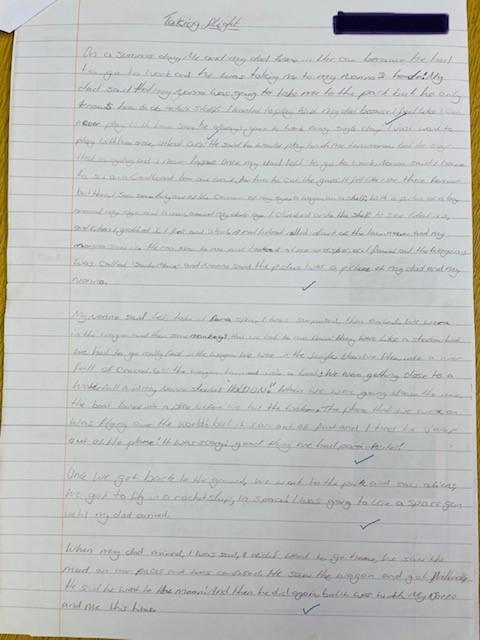
All of the children took part in a piece of functional (recount) writing. They were given a clip to watch from the Literacy Shed, Early Level and First Level children watched The Way Back Home, and Second Level children watched Taking Flight.
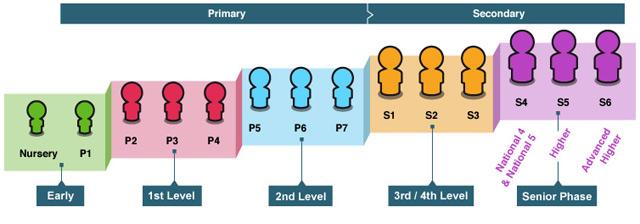
Overview of the CfE Levels
https://www.bbc.co.uk/scotland/learning/curriculum_for_excellence.shtml
Scotland's Curriculum for Excellence
An introduction
So, you've heard of the Curriculum for Excellence - or maybe not. You might have heard about it but have no idea what it means. Here's a gentle introduction to cover the basics.
- The name given to the new curriculum in Scotland
- Introduced in August 2010
- Sometimes referred to as CfE
The first new thing to note is the introduction of levels.
- Early level: Nursery and Primary 1 (P1)
- 1st level: Primary 2-4 (P2, P3, P4)
- 2nd level: Primary 5-7 (P5, P6, P7)
- 3rd/4th level: First year – Third year (S1, S2, S3)
- Senior phase: Fourth year – Sixth year (S4, S5, S6)
This is a simplified guide as children will move through the levels (and different subjects) at their own pace. For example, a child can be in Primary 4 but progressing quickly, so would perhaps move on to a higher level ahead of other classmates.
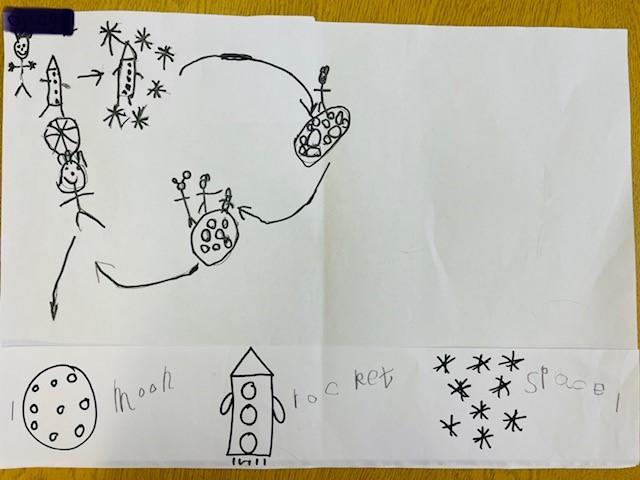
Early Level
Our children in Early Level used the strategy of Story Maps (PIe Corbett) to recount the story / clip.
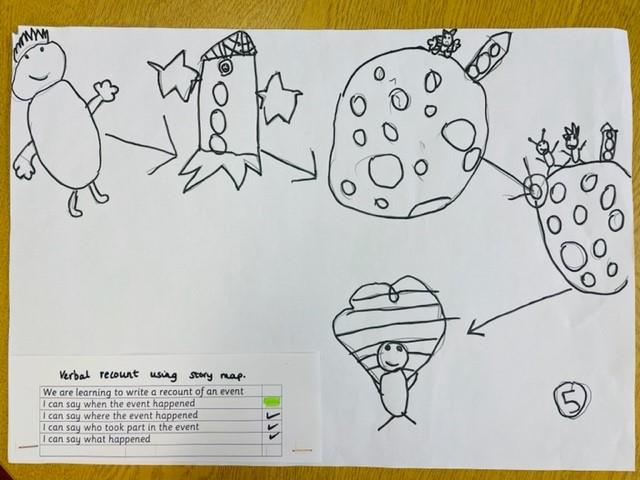
Early Level
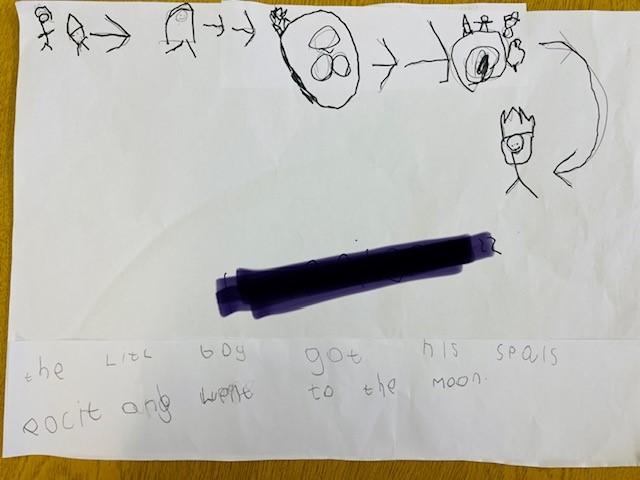
Early Level

First Level - Primary 2, Primary 3 and Primary 4

First Level

First Level
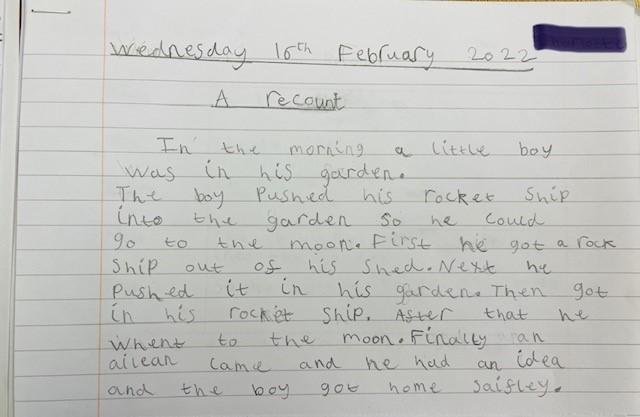
First Level
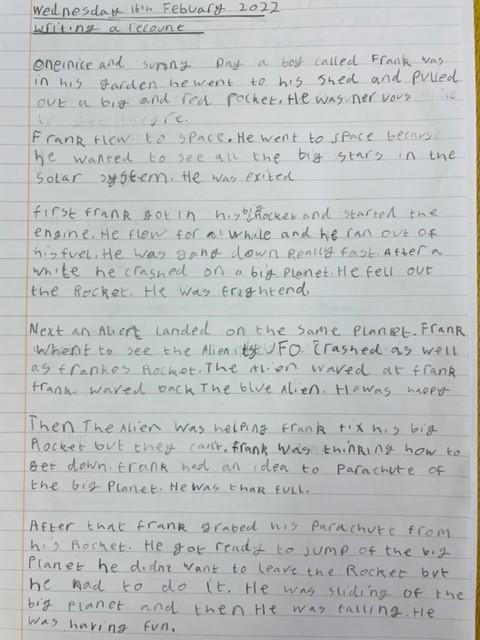
First Level

Second Level - Primary 5, Primary 6 and Primary 7
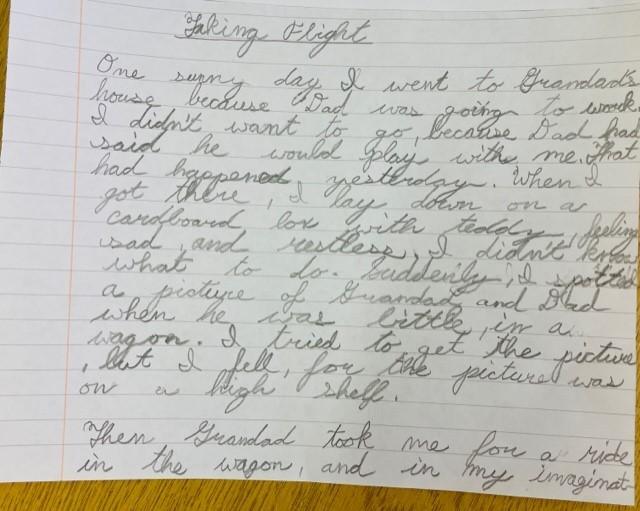
Second Level
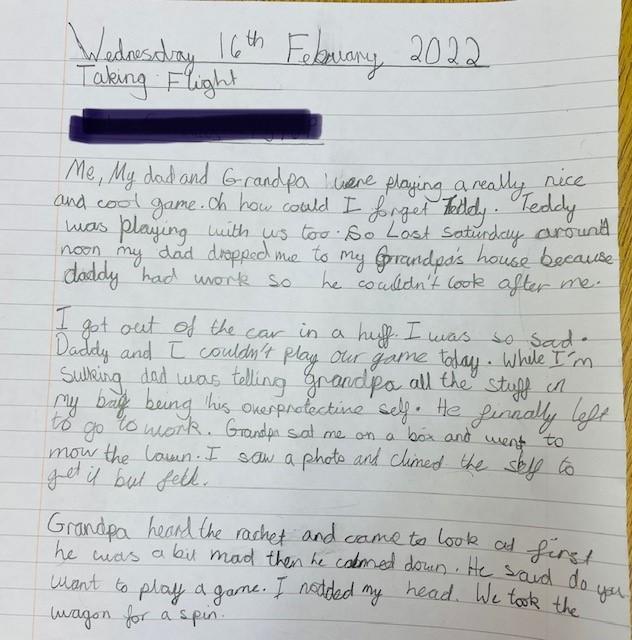
Second Level
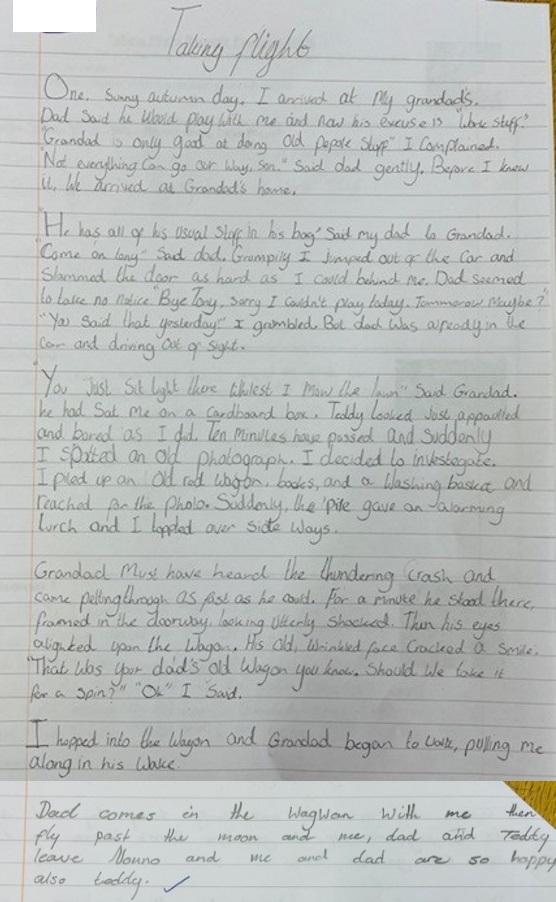
Second Level
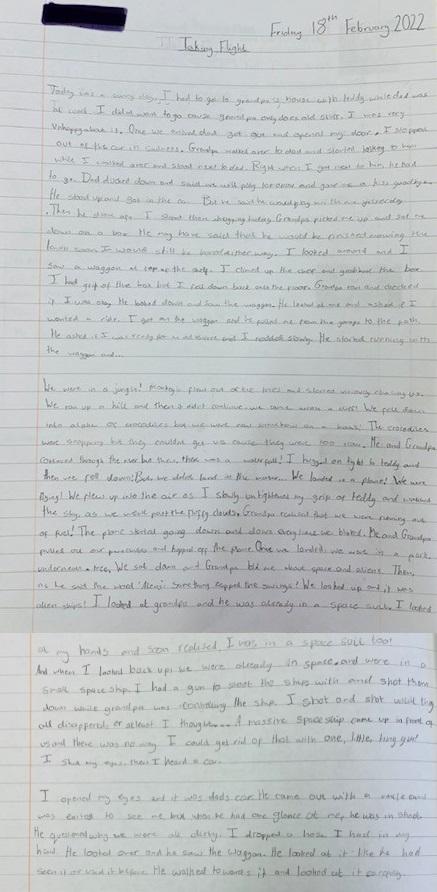
Second Level